Peony Flowers and Their Symbolism: What Each Color Tells Us
Posted on 27/06/2025
Peony flowers have captured the imagination of flower lovers around the world with their lush blooms, delicate fragrance, and vibrant hues. These striking perennials symbolize a variety of heartfelt sentiments and are valued in different cultures for their beauty and meaning. If you are curious about peonies and intrigued about what each color stands for, this comprehensive article will reveal the hidden symbolism behind these captivating blooms.
An Introduction to Peony Flowers
The peony has a long and illustrious history, originating in China over 2,000 years ago. Renowned for their voluptuous shape and layered petals, peony flowers are among the oldest cultivated flowers in the world. Peonies are commonly seen in gardens, wedding bouquets, and art due to their elegance and the rich meanings attached to them.
- Peonies belong to the genus Paeonia.
- They bloom in late spring to early summer.
- Their blooms can reach up to 10 inches in diameter.
- They are popular in both Eastern and Western cultures.
Peony symbolism is deeply rooted in history, mythology, and art. This article explores the fascinating meanings that peonies have carried across ages, particularly focusing on their vibrant colors and what each one reveals to us.

Why Do Peony Flowers Symbolize So Much?
Throughout history, flowers have served as vessels of emotion and meaning. The peony, with its lush appearance and unmistakable charm, has come to represent a range of emotions from love to healing. In many traditions, giving someone peony flowers is more than a gesture of beauty--it conveys deep symbolic messages.
- In China, peonies are regarded as the "king of flowers" and symbolize wealth, honor, and prosperity.
- In Japan, peonies are associated with bravery, good fortune, and youth.
- In the West, peonies often represent romance, happiness, and even healing.
The Symbolism of Peonies by Color
Peonies come in a dazzling array of colors, with each shade imbued with its own symbolism. Whether you're choosing peonies for a wedding, a special gift, or your own enjoyment, knowing what each color signifies adds deeper meaning to your arrangement. Let's explore what every hue has to say.
Pink Peonies: Love, Romance, and Femininity
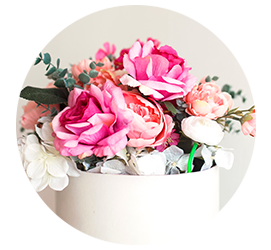
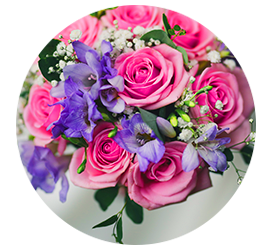
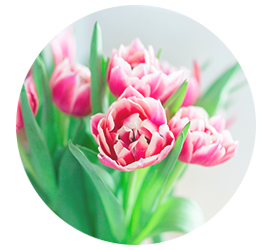
Pink peony flowers are the most classic and beloved varieties. Their soft blush hue speaks to gentle love, affection, and femininity. Pink peonies are often featured in wedding bouquets and anniversary arrangements, making them the perfect choice for romantic occasions.
- Symbolizes: Love, affection, romance, gentle beauty, femininity
- Popular for weddings, Valentine's Day, and to celebrate cherished relationships
- Represents the notion of "happy marriage" in Chinese culture
If you wish to express romantic love or admiration, opt for pink peonies.
White Peonies: Purity, Apology, and New Beginnings
White peonies captivate with their luminous, fresh appearance. They symbolize purity, innocence, and new beginnings. In some cultures, they are used to express sincere apologies and condolences, making them appropriate for both joyful and solemn occasions.
- Symbolizes: Purity, innocence, new starts, apologies, remembrance
- Favored for weddings, memorials, and as tokens of sincerity or forgiveness
- Represents a fresh chapter or starting anew
Choose white peonies to convey honesty, apologies, or well wishes for someone's new journey.
Red Peonies: Passion, Respect, and Honor
Vivid red peonies are revered in many cultures, especially in China, where they represent fame, honor, and prosperity. Their fiery color is associated with passion, wealth, and respect. Traditionally, they are given to show admiration or to wish someone good luck and success.
- Symbolizes: Passion, respect, honor, wealth, prosperity
- Frequently used in Chinese New Year celebrations and business grand openings
- Ideal for expressing strong emotions and admiration
Gift red peony flowers to show deep respect or to celebrate achievements.
Yellow and Gold Peonies: Healing, Optimism, and Good Fortune
Although less common, yellow peonies are cherished for their bright, cheerful appearance. The yellow and golden tones signify happiness, optimism, and healing. In some traditions, they represent abundance, renewal, and good luck.
- Symbolizes: Joy, healing, optimism, renewal, good fortune
- Wonderful for celebrating achievements, new ventures, or as a get-well gesture
- In Feng Shui, yellow peonies are used to attract positive energy
Use yellow or gold peony blooms to lift spirits or mark joyous occasions.
Purple Peonies: Royalty, Mystery, and Uniqueness
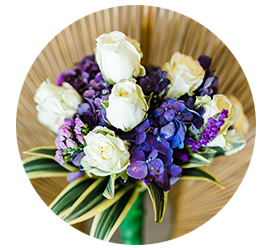
Purple peony flowers are eye-catching and rare, signifying royalty, nobility, and luxury. The deep, mysterious hue also carries connotations of creativity and uniqueness. Purple peonies are ideal for those who wish to make a bold statement or celebrate individuality.
- Symbolizes: Royalty, nobility, creativity, uniqueness, mystery
- Excellent for special milestones or honoring someone exceptional
- Popular in high-end floral arrangements for their elegance
If you want to communicate admiration for someone's distinct qualities, purple peonies are perfect.
Coral and Peach Peonies: Energy, Growth, and Warmth
The vibrant and warm shades of coral and peach peonies suggest energy, enthusiasm, and a zest for life. These flowers are associated with new beginnings, motivation, and friendly affection. Coral peonies are particularly striking when used in spring bouquets.
- Symbolizes: Growth, energy, warmth, encouragement, friendly affection
- Perfect for housewarming gifts, graduations, or cheering someone up
- Represents the joy of new adventures and fresh starts
Give coral or peach peonies to inspire, motivate, or send warm wishes.
Peony Colors in Cultural Context
Many traditions elevate peonies and their symbolism through festivals, art, and daily life. Understanding the cultural meanings can help you choose the most meaningful color for any occasion.
Peonies in Chinese Culture
No flower holds as much cultural weight in China as the peony. Once reserved for royalty, the peony became a national symbol representing wealth, prosperity, and honor. During the Tang dynasty, peonies graced imperial gardens and adorned palaces, solidifying their status as the "king of flowers."
Red and pink peonies dominate traditional Chinese art and poetry, while yellow peonies are prized for their rareness and auspiciousness. Peonies are particularly celebrated during the Luoyang Peony Festival held every spring.
Peonies in Japanese Culture
In Japan, peonies are a symbol of good fortune, bravery, and a happy marriage. They often appear alongside lions in art, representing protective power and prosperity. White peonies are especially valued for their association with purity and are frequently used in Shinto wedding ceremonies.
Western Symbolism of Peonies
In the 19th and 20th centuries, peonies grew popular in Europe and North America. Victorians, who believed in the "language of flowers," saw peonies as symbols of bashfulness, romance, and prosperity. In the United States, peonies are traditional flowers for the twelfth wedding anniversary, symbolizing a happy marriage.
Peonies in Literature and Mythology
Peony flower symbolism is further enriched by stories and myths:
- Greek Mythology: The goddess of flowers, Paeonia, was transformed into a peony bloom to escape Apollo's attention, making the peony a symbol of bashfulness or shyness.
- Chinese Folklore: Peonies are associated with legendary beauties and historical figures, representing elegance and virtue.
- Modern Literature: Peonies often feature as metaphors for love, beauty, and the fleeting nature of happiness.
Choosing the Right Peony Color for Every Occasion
Understanding what each color of peony flower represents can guide you in selecting the perfect bloom for every event:
- Weddings: Pink and white peonies signify love, purity, and the hope of a blissful marriage.
- Graduations and New Jobs: Yellow, gold, and coral peonies symbolize new beginnings, energy, and good fortune.
- Thank You or Friendship: Peach and coral peonies express warmth, gratitude, and friendship.
- Condolences or Sympathy: White peonies convey sincerity, remembrance, and gentle solace.
- Achievements: Red and purple peonies represent admiration, honor, and respect for success.

Growing and Caring for Peony Flowers
If you're inspired to grow your own stunning peony gardens, here are a few essential tips:
- Sunlight: At least 6 hours of sunlight daily for optimum blooming.
- Soil: Well-drained, fertile soil is best for healthy growth.
- Watering: Water deeply but infrequently to encourage strong root development.
- Support: Large blooms may need staking to keep stems upright.
- Patience: Peonies can take a few years to become fully established but reward with decades of blooms.
Pro Tip: When cutting peonies for floral arrangements, choose buds that are just opening to enjoy their beauty the longest.
Conclusion: The Secret Language of Peonies
Peony flower symbolism is a rich tapestry woven from centuries of tradition, legend, and heartfelt emotion. Every color in the peony rainbow tells its own tale--of love, purity, prosperity, respect, and healing. Whether as a wedding centerpiece, a thank-you gift, or a simple splash of garden color, peonies bring deep meaning and beauty wherever they bloom.
Remember: By discovering and sharing the symbolism behind peony flowers, you add an extra layer of thoughtfulness to every floral gesture. The next time you see a lush peony, pause and consider--the color you choose speaks volumes in the most beautiful language of all.
Frequently Asked Questions about Peony Flowers and Symbolism
- What is the most romantic peony color?
Pink peonies are traditionally considered the most romantic, representing love, admiration, and lasting affection. - Can peony colors be mixed in an arrangement?
Yes! Mixing colors can combine symbolic meanings, making your bouquet deeply personal and multi-layered. - Are peonies only for romantic occasions?
No, peonies are versatile! Their color-driven symbolism makes them suitable for many events, from celebrations to condolences. - Where do peonies naturally grow?
Peonies are native to China, Europe, and North America, and can thrive in temperate gardens worldwide. - How long do peonies bloom?
Each peony plant typically blooms for 7-10 days, but by planting various cultivars, you can extend the blooming season over several weeks.
If you have any further questions or need inspiration for your next floral arrangement, remember--peonies and their symbolism are as diverse and delightful as the colors themselves!
Latest Posts
Transforming Your Home into an Orchid Paradise
Unveil the hidden floral twin of your character
The Comprehensive Hydrangea Care Handbook